Ages 9–11 • Boys & Girls • Limited to 4 Students
The preteen years are an important time in a young person’s life. They’re becoming more aware of the world around them—watching their peers, noticing what gets attention and what gets a laugh, and beginning to form their own ideas about how they want to fit in. They’re also beginning to make more choices for themselves, and that gives us a wonderful opportunity.
One of the things I love most about this age is that preteens are wonderfully teachable. They’re curious, they’re paying attention in a different way than they did when they were younger, and they’re ready to understand not only what they’re being taught, but why it’s important.
That is the approach behind Mind Your Ps & Qs.
We teach the manners, social skills, and dining etiquette preteens need, but we don’t stop with the rules. We help them understand what their everyday behavior communicates, give them opportunities to practice what they’re learning in real life, and encourage them to begin making those choices for themselves.
That’s why Mind Your Ps & Qs is taught in three parts:

Learn It. Practice It. Own It.
CLASS 1 — LEARN IT
Monday • Millie Lewis Columbia
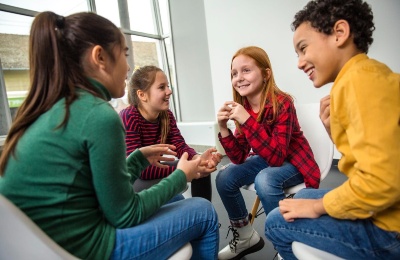
In our first class, we begin with social situations preteens encounter every day. Students work on eye contact, introductions, conversation and listening skills, knowing when to speak and when to listen, phone etiquette, and becoming more aware of the message they give others through the way they communicate and conduct themselves.
Also in this first class, we begin preparing for Thursday’s dining experience. Students are introduced to what is expected from the time they enter a restaurant through the end of a meal. We practice approaching and sitting appropriately at the table, understanding a place setting, handling and using utensils properly, cutting food correctly, and pacing themselves during a meal.
Just as important, we talk about the social side of sharing a meal—how to take part in conversation, listen while someone else is speaking, finish chewing before speaking, and remember that dining with others is a shared experience, not simply food in front of us that needs to be eaten.
Throughout the class, we help students connect what they’re learning with why it’s important. Looking at someone while they’re speaking lets that person know they have your attention. Listening without interrupting shows respect. Putting away a phone tells the person in front of you, I’m present. I’m listening.
Small actions can communicate powerful messages.
Class 1 gives students the instruction and hands-on preparation they need before we take what they’ve learned into a real restaurant on Thursday.

CLASS 2 — PRACTICE IT
Thursday • Dining Experience at Melrose Market
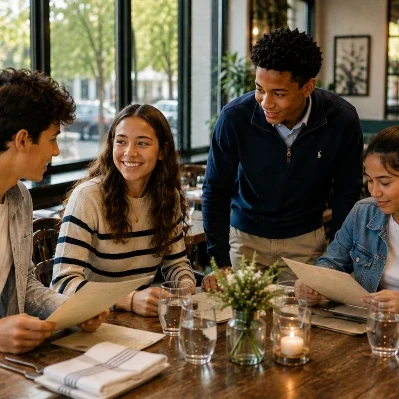
Thursday takes what students learned on Monday and puts it into practice over a meal in a real restaurant.
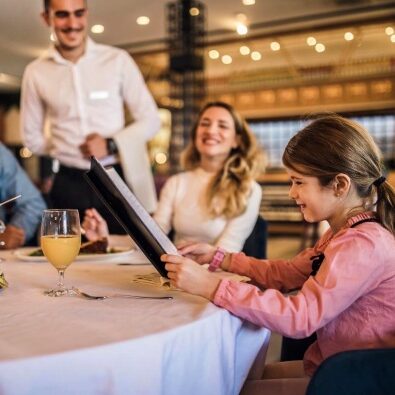
Now the situations we’ve discussed begin happening naturally. Students order for themselves, interact with restaurant staff, use their utensils, manage the pace of the meal, take part in conversation, listen when someone else is speaking, and practice being present and aware of the people around them.
It’s one thing to talk about social and dining etiquette in a classroom. It’s quite another when the menu is in your hands, the food arrives, conversation is happening, and you have an opportunity to use what you’ve learned.
With only four students in the class, there is time for individual guidance and encouragement along the way.
This is where instruction becomes experience.

CLASS 3 — OWN IT
The Following Monday • Millie Lewis Columbia
The following Monday, we come back together after students have had several days to return to school, home, meals, conversations, friends, family, and all the ordinary situations where these lessons show up. Now we have something especially valuable to work with—their own experience.
We talk about what they noticed. What did they remember without someone reminding them? Did they catch themselves making a different choice? What is beginning to feel more natural? What still requires a little thought and practice?
We review and strengthen the skills that need it, and then we take the conversation one step further.
At this age, students are beginning to make more choices for themselves. We want them to recognize that those everyday choices are also helping shape the person they are becoming.
We make the idea of character simple and practical:
Character is who you are becoming through the choices you make.
Choices we repeat can become patterns. Patterns can become habits. And our habits influence the way we naturally respond to the people and situations around us.
That doesn’t mean one poor choice defines a young person. Every new situation gives us another opportunity to choose well.
From there, we can have meaningful conversations about respect, kindness, patience, gratitude, self-control, awareness of others, and learning to make choices they can feel good about afterward.
It also gives us an opportunity to talk about something preteens are already beginning to recognize: what gets attention.
Sometimes the quickest way to get a laugh or a reaction isn’t the choice we feel best about later. We certainly aren’t asking young people to stop being funny, energetic, outgoing, spontaneous, or themselves. We want them to understand that they never need to give up something valuable about themselves simply to get someone else’s attention.
Never trade respect for attention.
That is what Own It is about—moving beyond “I know what I was told to do” toward “I understand why, and I’m beginning to choose it for myself.”

What We’ll Cover
Across the three classes, students receive instruction, guided practice, and real-life experience in:
- Eye contact, introductions, and first impressions
- Conversation and listening skills
- Knowing when to speak and how to listen well
- Phone and technology etiquette
- Social awareness and consideration of others
- Table manners and dining etiquette
- Understanding a place setting
- Proper handling and use of utensils
- Cutting and eating food appropriately
- Pacing themselves during a meal
- Participating appropriately in conversation at the table
- Ordering and interacting with restaurant staff
- Respect for self and others
- Patience, gratitude, and self-control
- Choices, habits, and character
These aren’t skills they’re waiting to use someday—they’re using them now. Every conversation, meal, social setting, and interaction gives them another opportunity to practice.
Mind Your Ps & Qs gives preteens the instruction to Learn It, the real-life experience to Practice It, and the encouragement and understanding to begin to Own It.
Fall 2026 Session Dates
Each session includes all three parts of Mind Your Ps & Qs:
LEARN IT — Monday
PRACTICE IT — Thursday
OWN IT — Following Monday
Session 1
September 14 • September 17 • September 21
Session 2
September 28 • October 1 • October 5
Session 3
October 12 • October 15 • October 19
Session 4
October 26 • October 29 • November 2
Session 5
November 16 • November 19 • November 30
The final class follows Thanksgiving week.
Session 6
December 7 • December 10 • December 14
Only 4 students per session. Advance registration is required.
Ready to Register?
To register your preteen or ask questions about Mind Your Ps & Qs, please call or email Millie Lewis Columbia.
Call: 803.782.7338
Email: dixonmillielewiscolumbi
Tuition: $225
Includes all three classes and the Thursday dining experience at Melrose Market.